How to Repel Mosquitoes from Your Yard
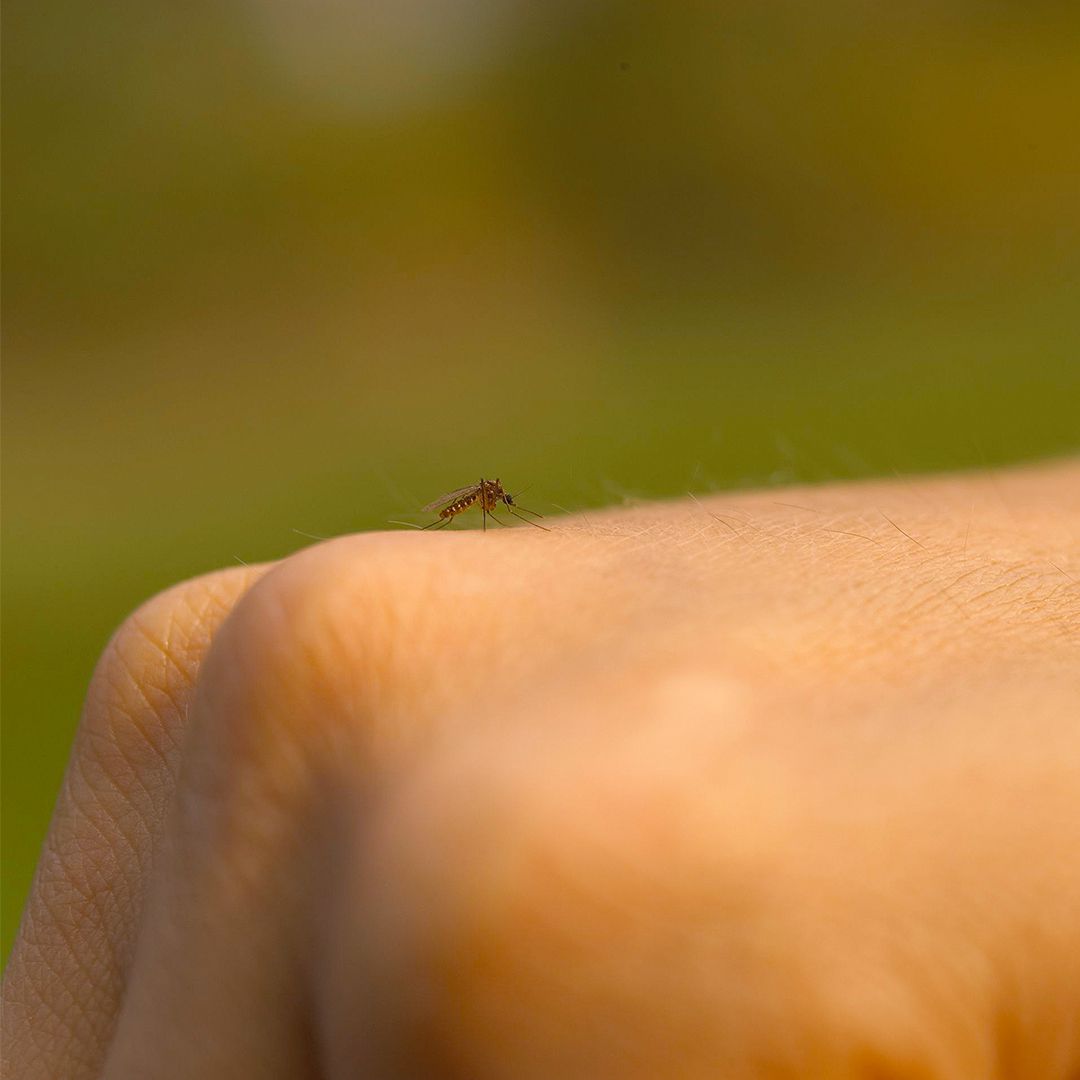
As enjoyable as it is to enjoy a dinner outside in the summer, al fresco events often come with an annoying side effect: Mosquito bites, which, in addition to itching, can carry diseases such as West Nile virus. To repel mosquitoes from your yard, you can rely on a variety of methods, which are most effective when used in combination.
Products that Repel Mosquitoes
• Spatial repellents: Certain devices, like those by Thermocell, keep mosquitoes from a section of your yard by slowly releasing an odorless repellent into the air. While effective, they are generally limited to a small area and require you to continuously buy new cartridges.
• Traps: These products keep mosquitoes from stinging you by luring them through various methods— including carbon dioxide, heat, and odor—and then trapping or killing them.
• Mosquito repelling coils: Affordable and effective, these coils release a mosquito repellent into the air as they're burned. The catch: The odor can be off putting to some people.
• Light bulbs: Mosquitoes are drawn to light outdoors, but certain light bulbs, called bug bulbs, have a yellow coating that mosquitoes can't see. Use them around the area people are congregating in. There are also special string lights that release a mosquito repellent as they glow.
• Fans: Because mosquitoes are weak flyers, running a large fan on your patio—ideally on the ground, since mosquitoes tend to bite legs—can keep the bugs at bay.
• Mosquito dunks: Water can be a breeding ground for mosquitoes. If you have a water feature in your yard, stop mosquitoes from breeding with mosquito dunks or bits, which have a bacteria that's toxic to mosquitoes only (not fish or animals).
Plants That Repel Mosquitoes
Plants on their own won't repel mosquitoes entirely. But there's some evidence that certain plants, including eucalyptus, lavender, basil, and garlic. may repel mosquitoes, to varying degrees. Catnip (<em>Nepeta cataria</em>) has strong insect repellent properties. It grows best in full sun and well-drained soil. It's a perennial that's hardy throughout most of the United States. It, too, spreads easily, so plant it where you can contain it.
You can also rub the crushed leaves or flowers of some plants on your skin as an insect repellent. (Always test a small amount on your inner forearm first to make sure you don't have an allergic reaction.)
Citronella grass (Cymbopogon nardus) and its cousin lemongrass (<em>Cymbopogon citratus</em>) contain ingredients often used in bug repellent oils and sprays. These grasses are intolerant of cold temperatures, and grow year-round only in USDA Zone 10 and warmer. Grow them in full sun in containers that can be moved indoors over the winter, and keep them under control, because they can spread rapidly.
Best Insect Repellents for Your Skin
Most mosquito-repelling body products rely on a particular active ingredient to ward off insect bites. When shopping for an effective mosquito repellent, check the label to see which of the following harmful substances are included. Always read and follow the package directions, so you're using these products properly.
- DEET: DEET is the common name for a type of diethyl toluamide. It 's been used as an insect repellent since it was developed by the U.S. Army in 1946 to protect soldiers in insect-infested areas. While it's effective, it's toxic to freshwater fish and water insects. Some people have adverse reactions to DEET, so it's best to try it on a small patch of skin before applying it everywhere.
- Picaridin: Picaridin is a synthetic compound that was made in the 1980s. It's similar to piperine, which is a natural compound found in black pepper plants. Compared to DEET, picaridin is less toxic to fish and is less likely to cause skin irritation.
- IR3535: This synthetic repellent was developed in the 1980s and is an amino acid that interferes with an insect's sense of smell. IR3535 can cause eye irritation, so it's important to avoid touching your eyes after applying this product.
The American Academy of Pediatrics (AAP) and Centers for Disease Control and Prevention (CDC) recommend that DEET products not be used on children younger than two months. Older children can use a repellent containing 10 to 30 percent DEET that will be effective for two to five hours.